

-
-
Application
-
Advantages
-
Support
-
News
-

News
The latest information about POWER KINGDOM's exhibitions products and events
Understanding Storage Batteries: An Essential Guide
Time:Aug 13,2025

Storage batteries, often referred to simply as batteries, play a pivotal role in our daily lives by storing and providing electrical energy. They are essential components in various applications, ranging from powering portable electronic devices to serving as backup energy sources for homes and businesses. Understanding the fundamentals of storage batteries can help you make informed decisions about their usage and benefits.
At their core, storage batteries work through a chemical process that converts chemical energy into electrical energy. When a battery is charged, an electrical current flows through it, causing a reversible chemical reaction. This reaction allows the battery to store energy and release it later when needed. Common types of storage batteries include lead-acid, lithium-ion, nickel-cadmium, and nickel-metal hydride, each with unique characteristics and applications.
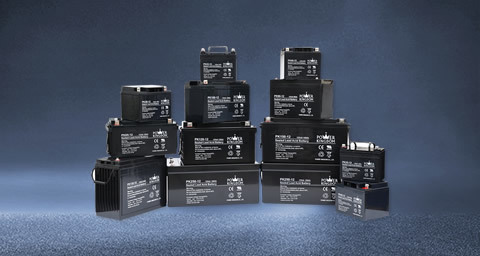
Lead-acid batteries, for instance, are widely used in automotive applications and uninterruptible power supplies (UPS) due to their reliability and cost-effectiveness. They are known for their ability to deliver high surge currents, making them ideal for starting engines. However, they tend to be heavier and have a shorter lifespan compared to newer technologies.
Lithium-ion batteries, on the other hand, have gained immense popularity in recent years, especially in portable electronics and electric vehicles. Their lightweight design, higher energy density, and longer cycle life make them a preferred choice for many applications. Additionally, lithium-ion batteries can be charged and discharged more efficiently, further enhancing their appeal.
When selecting a storage battery, it's crucial to consider factors such as capacity, discharge rates, and lifespan. Battery capacity is typically measured in ampere-hours (Ah) or watt-hours (Wh), indicating how much energy the battery can store. Discharge rates refer to how quickly the battery can release that energy, which is particularly important for applications requiring bursts of power.
Another essential aspect to consider is the battery's lifespan, which is influenced by factors such as the number of charge-discharge cycles, operating temperature, and maintenance practices. Proper care and maintenance can significantly extend the life of storage batteries, ensuring they perform optimally over time.
In addition to conventional uses, storage batteries are also increasingly utilized in renewable energy systems, such as solar and wind power. They store excess energy generated during peak production times, making it available for use when production falls short. This capability enhances the reliability of renewable energy sources and contributes to a more sustainable energy future.
In summary, storage batteries are a vital component of modern technology, powering everything from personal devices to critical infrastructure. By understanding how they work and their various types and applications, you can make informed choices about which storage battery best suits your needs.



Copyright © Shenzhen Power Kingdom Co., Ltd. All rights reserved.