

-
-
Application
-
Advantages
-
Support
-
News
-

News
The latest information about POWER KINGDOM's exhibitions products and events
Understanding VRLA Batteries: Key Features and Applications
Time:Jul 24,2026

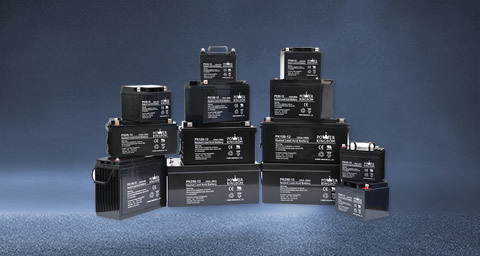
VRLA (Valve Regulated Lead Acid) batteries are a type of lead-acid battery designed to be maintenance-free and safe, making them a popular choice in many applications. The primary distinction of VRLA batteries lies in their sealed design, which prevents the escape of gases, thus avoiding the need for regular maintenance associated with traditional flooded lead-acid batteries. This characteristic makes them particularly appealing for use in scenarios where accessibility for battery maintenance is limited.
One of the core advantages of VRLA batteries is their ability to operate in various orientations and environments. Because they are sealed, they can be used in both upright and horizontal positions without the risk of electrolyte spillage. This flexibility allows for their implementation in a wide range of applications, from uninterruptible power supplies (UPS) to telecommunications and renewable energy systems.
VRLA batteries are divided into two main types: Absorbent Glass Mat (AGM) and Gel batteries. AGM batteries use a fiberglass mat to absorb the electrolyte, ensuring that it remains in place and minimizing the risk of leakage. These batteries are known for their quick charge times and higher discharge rates, making them suitable for high-drain applications. Gel batteries, on the other hand, utilize a silica-based gel to hold the electrolyte. This design enhances their ability to withstand deep discharges and improves their longevity, making gel batteries an excellent choice for applications requiring extended service life.
The charging characteristics of VRLA batteries also set them apart. They typically require a constant voltage charging method to ensure optimal performance and longevity. It’s crucial to follow manufacturer guidelines on charging rates and voltages to prevent damage and ensure safety. Overcharging can lead to excessive gas buildup, whereas undercharging can result in reduced capacity and lifespan.
In terms of lifespan, VRLA batteries generally have a service life ranging from 3 to 10 years, depending on the operating conditions and maintenance practices. Regular monitoring of voltage levels and temperature can help maximize their performance and lifespan. Additionally, while VRLA batteries are designed to be low-maintenance, it’s still essential to inspect them periodically for any signs of wear or failure.
In summary, VRLA batteries are versatile and reliable energy storage solutions, offering significant advantages over traditional lead-acid batteries. Their maintenance-free operation, flexibility in installation, and varied applications make them a favored choice in many industries. Understanding the unique features and proper care of VRLA batteries can lead to enhanced performance and longevity, ensuring they meet the demands of modern electrical systems efficiently.
One of the core advantages of VRLA batteries is their ability to operate in various orientations and environments. Because they are sealed, they can be used in both upright and horizontal positions without the risk of electrolyte spillage. This flexibility allows for their implementation in a wide range of applications, from uninterruptible power supplies (UPS) to telecommunications and renewable energy systems.
VRLA batteries are divided into two main types: Absorbent Glass Mat (AGM) and Gel batteries. AGM batteries use a fiberglass mat to absorb the electrolyte, ensuring that it remains in place and minimizing the risk of leakage. These batteries are known for their quick charge times and higher discharge rates, making them suitable for high-drain applications. Gel batteries, on the other hand, utilize a silica-based gel to hold the electrolyte. This design enhances their ability to withstand deep discharges and improves their longevity, making gel batteries an excellent choice for applications requiring extended service life.
The charging characteristics of VRLA batteries also set them apart. They typically require a constant voltage charging method to ensure optimal performance and longevity. It’s crucial to follow manufacturer guidelines on charging rates and voltages to prevent damage and ensure safety. Overcharging can lead to excessive gas buildup, whereas undercharging can result in reduced capacity and lifespan.
In terms of lifespan, VRLA batteries generally have a service life ranging from 3 to 10 years, depending on the operating conditions and maintenance practices. Regular monitoring of voltage levels and temperature can help maximize their performance and lifespan. Additionally, while VRLA batteries are designed to be low-maintenance, it’s still essential to inspect them periodically for any signs of wear or failure.
In summary, VRLA batteries are versatile and reliable energy storage solutions, offering significant advantages over traditional lead-acid batteries. Their maintenance-free operation, flexibility in installation, and varied applications make them a favored choice in many industries. Understanding the unique features and proper care of VRLA batteries can lead to enhanced performance and longevity, ensuring they meet the demands of modern electrical systems efficiently.



Copyright © Shenzhen Power Kingdom Co., Ltd. All rights reserved.