

-
-
Application
-
Advantages
-
Support
-
News
-

News
The latest information about POWER KINGDOM's exhibitions products and events
Understanding Storage Batteries: Essential Insights for Effective Use
Time:Feb 06,2026

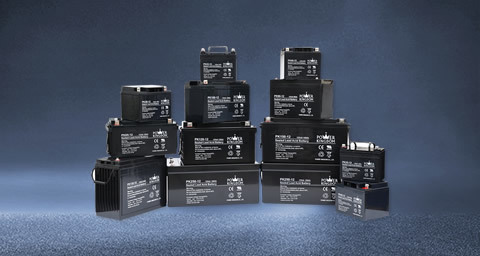
Storage batteries play a pivotal role in today's energy landscape, providing efficient solutions for energy storage and management. These batteries store electrical energy for later use, making them indispensable in various applications, including renewable energy systems, electric vehicles, and backup power supplies. Understanding the key features and functionalities of storage batteries can help users make informed decisions regarding their energy needs.
At the core of any storage battery is the chemical reaction that occurs within it. Most storage batteries operate on the principle of converting electrical energy into chemical energy during the charging process, which can then be converted back into electrical energy when needed. Common types of storage batteries include lead-acid batteries, lithium-ion batteries, and nickel-cadmium batteries, each with unique characteristics and applications.
Lead-acid batteries are among the oldest and most widely used types of storage batteries. They are known for their reliability and cost-effectiveness, making them a popular choice for backup power applications and automotive uses. However, they have a lower energy density and require regular maintenance to ensure optimal performance.
On the other hand, lithium-ion batteries have gained popularity in recent years due to their high energy density, lightweight design, and longer lifespan. They are increasingly used in portable electronics, electric vehicles, and renewable energy storage systems. While they are generally more expensive than lead-acid batteries, their efficiency and longevity often justify the initial investment.
When considering storage batteries, it's essential to evaluate factors such as capacity, discharge rate, and lifespan. Capacity refers to the amount of energy a battery can store, usually measured in amp-hours (Ah). The discharge rate indicates how quickly the battery can release its stored energy, which is crucial for applications requiring rapid power delivery. Additionally, the lifespan of a storage battery, typically measured in charge-discharge cycles, is an important consideration for users looking to maximize their investment.
Environmental considerations also play a significant role in the choice of storage batteries. Many modern batteries are designed with sustainability in mind, incorporating recyclable materials and minimizing harmful substances. Users should prioritize batteries that adhere to environmental regulations and promote responsible disposal practices.
In conclusion, understanding the various types and functionalities of storage batteries is crucial for users aiming to optimize their energy usage. Whether for renewable energy storage, backup power solutions, or electric vehicles, selecting the right storage battery can significantly impact performance, cost, and environmental sustainability. By considering the specific requirements of their applications and staying informed about advances in battery technology, users can make empowered choices that align with their energy goals.



Copyright © Shenzhen Power Kingdom Co., Ltd. All rights reserved.