

-
-
Application
-
Advantages
-
Support
-
News
-

News
The latest information about POWER KINGDOM's exhibitions products and events
Unlocking the Power: How UPS Batteries Enhance Your Electrical System
Time:Sep 22,2025

Unlocking the Power: How UPS Batteries Enhance Your Electrical System
Table of Contents
- 1. Introduction to UPS Batteries
- 2. The Importance of UPS Batteries in Electrical Systems
- 3. Types of UPS Batteries
- 4. How UPS Batteries Work
- 5. Key Benefits of Using UPS Batteries
- 6. Installing UPS Batteries in Your Electrical System
- 7. Maintenance Tips for UPS Batteries
- 8. Common Issues with UPS Batteries and Solutions
- 9. Conclusion
- 10. FAQs about UPS Batteries
1. Introduction to UPS Batteries
In today's fast-paced digital world, a reliable power supply is critical for both residential and commercial operations. **Uninterruptible Power Supply (UPS) batteries** serve as a safeguard against power outages, ensuring that devices remain operational even during unexpected interruptions. UPS batteries are designed to provide backup power while also stabilizing voltage levels, thus protecting sensitive equipment from power surges and fluctuations.
2. The Importance of UPS Batteries in Electrical Systems
The significance of UPS batteries in electrical systems cannot be overstated. They are particularly vital in environments where power reliability is paramount, such as data centers, hospitals, and financial institutions. Here are several reasons why UPS batteries are essential:
Ensuring Continuous Operations
With UPS batteries, critical systems can maintain operations without interruption, allowing businesses to continue functioning smoothly during power failures.
Protecting Sensitive Equipment
Many electronic devices are susceptible to damage from power fluctuations. UPS batteries provide steady voltage, protecting sensitive equipment from surges and spikes.
Enhancing System Efficiency
UPS systems can help manage the electrical load more effectively, ensuring optimal performance of connected devices while minimizing energy waste.
3. Types of UPS Batteries
UPS batteries come in various types, each suited to different applications and environments. Understanding these types will help you choose the right battery for your needs.
1. Sealed Lead Acid (SLA) Batteries
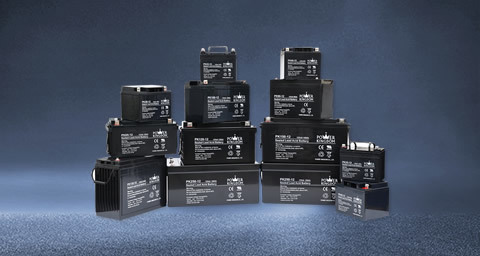
SLA batteries are the most commonly used type in UPS systems. They are known for their reliability, cost-effectiveness, and maintenance-free operation.
2. Lithium-Ion Batteries
Lithium-ion batteries offer higher energy density, longer life cycles, and lighter weight compared to SLA batteries. They are becoming increasingly popular for modern UPS systems due to their efficiency.
3. Nickel-Cadmium (NiCd) Batteries
NiCd batteries are known for their ability to perform in extreme temperatures and their long lifespan. However, they are less commonly used due to their environmental impact.
4. Flooded Lead Acid Batteries
While less common in UPS applications, flooded lead-acid batteries are still used in specific scenarios due to their durability and robustness.
4. How UPS Batteries Work
Understanding how UPS batteries function is crucial for maximizing their benefits. UPS systems typically operate in three main modes:
1. Standby Mode
In standby mode, the UPS battery is charged and ready to supply power. The connected devices receive power directly from the main supply.
2. Line Interactive Mode
In this mode, the UPS continuously regulates voltage and provides battery backup during power failures. It can also correct minor power fluctuations.
3. Online Mode
Online UPS systems provide the highest level of protection. They supply power through the battery at all times, ensuring that devices receive clean and stable energy.
5. Key Benefits of Using UPS Batteries
Integrating UPS batteries into your electrical system offers numerous advantages that can significantly enhance your overall operations.
1. Reliability
UPS batteries provide a dependable power source during outages, giving peace of mind that critical equipment will remain operational.
2. Data Protection
For businesses reliant on data integrity, UPS systems safeguard against data loss by providing backup power to servers and storage devices during outages.
3. Cost-Effectiveness
While there is an initial investment, the long-term savings from avoiding equipment damage and data loss can outweigh the costs.
4. Improved Equipment Lifespan
By protecting sensitive equipment from power surges and fluctuations, UPS batteries can extend the lifespan of electronic devices.
5. Enhanced Productivity
With uninterrupted power, employees can maintain productivity levels, reducing downtime and improving overall efficiency.
6. Installing UPS Batteries in Your Electrical System
Installing a UPS battery system requires careful planning and consideration of various factors to ensure optimal performance.
1. Assessing Power Requirements
Evaluate the power needs of your equipment to determine the appropriate UPS size and capacity.
2. Choosing the Right Location
Select a location that is well-ventilated and easily accessible for maintenance.
3. Connecting the UPS
Follow manufacturer guidelines for connecting the UPS battery to your electrical system and ensure all connections are secure.
4. Testing the System
Once installed, conduct tests to verify that the UPS is functioning correctly and providing the necessary backup support.
7. Maintenance Tips for UPS Batteries
Proper maintenance of UPS batteries is essential for ensuring longevity and optimal performance. Here are some effective maintenance tips:
1. Regular Inspection
Perform routine inspections to check for any signs of wear, corrosion, or leaks.
2. Keep Connections Clean
Ensure that all battery terminals and connections are clean and free of dust or corrosion.
3. Monitor Battery Health
Use monitoring tools to track battery performance and health, allowing for early detection of potential issues.
4. Schedule Professional Maintenance
Consider scheduling professional maintenance at least once a year to ensure the system operates efficiently.
8. Common Issues with UPS Batteries and Solutions
Despite their reliability, UPS batteries can encounter issues that may affect performance. Understanding these common problems can help you address them effectively.
1. Short Battery Life
If a battery is not performing as expected, it may need to be replaced. Regular maintenance can help identify wear and tear.
2. Overheating
Overheating can occur due to poor ventilation or excessive load. Ensure the UPS is located in a cool, dry space and is not overloaded.
3. Faulty Connections
Loose or corroded connections can lead to power disruptions. Regularly check connections to ensure they are secure and clean.
4. Inaccurate Battery Monitoring
If the battery monitoring system is not providing accurate readings, consult a professional to diagnose and rectify the issue.
9. Conclusion
UPS batteries play a crucial role in enhancing the reliability and efficiency of electrical systems. By providing uninterrupted power and protecting sensitive equipment, they serve as a valuable investment for both home and business environments. Understanding the types, benefits, and maintenance of UPS batteries will empower you to make informed decisions that secure your power supply and protect your devices. As reliance on technology continues to grow, ensuring a stable power source has never been more critical.
10. FAQs about UPS Batteries
1. What is the average lifespan of a UPS battery?
The average lifespan of a UPS battery ranges from 3 to 5 years, depending on usage and maintenance practices.
2. How can I extend the life of my UPS battery?
Regular maintenance, proper ventilation, and avoiding overloading can help extend the lifespan of your UPS battery.
3. Can UPS batteries be recycled?
Yes, most UPS batteries can be recycled. Check local regulations and recycling facilities for proper disposal methods.
4. What should I do if my UPS battery is not holding a charge?
If your UPS battery is not holding a charge, check for faulty connections and consider having the battery tested or replaced.
5. Is it necessary to have a UPS for home use?
While not mandatory, having a UPS for home use can safeguard against power outages and protect valuable electronics, making it a worthwhile investment.



Copyright © Shenzhen Power Kingdom Co., Ltd. All rights reserved.