

-
-
Application
-
Advantages
-
Support
-
News
-

News
The latest information about POWER KINGDOM's exhibitions products and events
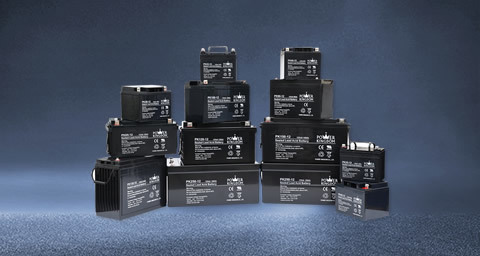
Understanding Lead Acid Batteries: Advantages, Applications, and Care
Time:Aug 29,2025

Lead acid batteries have been a cornerstone of energy storage technology since their invention in the mid-19th century. They are composed of lead dioxide (PbO2) and sponge lead (Pb) as electrodes, immersed in a sulfuric acid (H2SO4) electrolyte. This chemistry allows for reliable power delivery and has made lead acid batteries one of the most popular battery types for a variety of applications.
One of the primary advantages of lead acid batteries is their cost-effectiveness. They typically have a lower upfront cost compared to other battery technologies, making them an attractive option for users on a budget. Additionally, lead acid batteries are known for their robustness and ability to function in harsh environments, which has contributed to their widespread use in automotive applications, uninterruptible power supplies (UPS), and backup power systems.
Lead acid batteries also offer a high surge current capability, making them ideal for applications requiring a quick burst of energy, such as starting engines. Furthermore, they have a relatively simple charging process, and chargers for lead acid batteries are widely available, enhancing their accessibility.
However, it is important to be aware of the limitations of lead acid batteries. They tend to have a shorter cycle life compared to more advanced battery technologies like lithium-ion batteries. Typically, lead acid batteries can endure around 500 to 1,000 charge-discharge cycles, depending on usage and maintenance. Additionally, they have a lower energy density, meaning they store less energy per unit of weight compared to other battery types.
To maximize the lifespan and performance of lead acid batteries, proper maintenance is crucial. Regularly checking the electrolyte levels and ensuring that the terminals are clean and free of corrosion can significantly improve battery longevity. It’s also important to avoid deep discharges, as this can lead to sulfation, a condition that can permanently damage the battery.
In terms of recycling, lead acid batteries are one of the most recycled consumer products in the world. Approximately 97% of the materials in a lead acid battery can be reused, making them an environmentally friendly choice when managed properly.
In summary, lead acid batteries continue to be a reliable and economical choice for a wide range of applications. Understanding their features, benefits, and maintenance needs will enable users to make informed decisions and ensure optimal performance from their battery systems. With a combination of proper care and informed usage, lead acid batteries can provide dependable energy solutions for many years to come.



Copyright © Shenzhen Power Kingdom Co., Ltd. All rights reserved.