

-
-
Application
-
Advantages
-
Support
-
News
-

News
The latest information about POWER KINGDOM's exhibitions products and events
Understanding Industrial Batteries: Powering the Future of Consumer Electronics
Time:Dec 12,2025

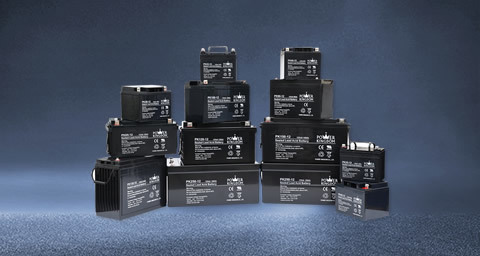
Industrial batteries are a vital component in the landscape of consumer electronics, particularly in the realm of batteries and chargers. These power sources are designed to deliver substantial energy storage capabilities and are often utilized to power various devices and machinery across different industries. Understanding the nature and function of industrial batteries is essential for anyone involved in the manufacturing or utilization of electronic devices.
One of the primary distinctions of industrial batteries is their ability to deliver high energy density while maintaining a robust performance over extended periods. Unlike batteries used in smaller consumer gadgets, industrial batteries are engineered for longevity and durability, making them suitable for applications that demand reliable power. This includes everything from powering electric vehicles to supporting renewable energy systems.
There are several types of industrial batteries, each designed for specific applications. Lead-acid batteries, for instance, have been a longstanding choice due to their cost-effectiveness and extensive track record. However, lithium-ion batteries have gained popularity in recent years due to their higher energy density, lower maintenance requirements, and lighter weight. These batteries are often used in conjunction with advanced charging systems that enhance efficiency and reduce charge times.
In consumer electronics, industrial batteries serve a multitude of functions. They provide backup power solutions, ensuring that essential devices remain operational during outages. In the context of smart devices and IoT applications, these batteries help facilitate seamless connectivity and functionality. The integration of industrial batteries into these systems underscores the growing demand for sustainable and efficient power solutions.
Recent advancements in battery technologies have further propelled the capabilities of industrial batteries. Innovations such as solid-state batteries promise to enhance safety and performance while reducing environmental impact. These developments are crucial as industries seek to transition to greener alternatives that align with global sustainability goals.
Moreover, the management of industrial batteries involves sophisticated monitoring systems that track performance metrics, ensuring optimal operation and lifespan. Battery management systems (BMS) play a crucial role in this aspect, providing insights into battery health, charge cycles, and energy consumption patterns.
In conclusion, industrial batteries are indispensable in the consumer electronics sector, driving innovations and providing reliable power solutions across a broad spectrum of applications. As technology continues to evolve, the future of industrial batteries looks promising, with ongoing research aimed at enhancing efficiency, sustainability, and performance, ultimately powering the next generation of electronic devices. Understanding these elements can empower businesses and consumers alike to make informed decisions regarding energy solutions in an ever-evolving digital landscape.



Copyright © Shenzhen Power Kingdom Co., Ltd. All rights reserved.